

Author: Phill Le Count
-
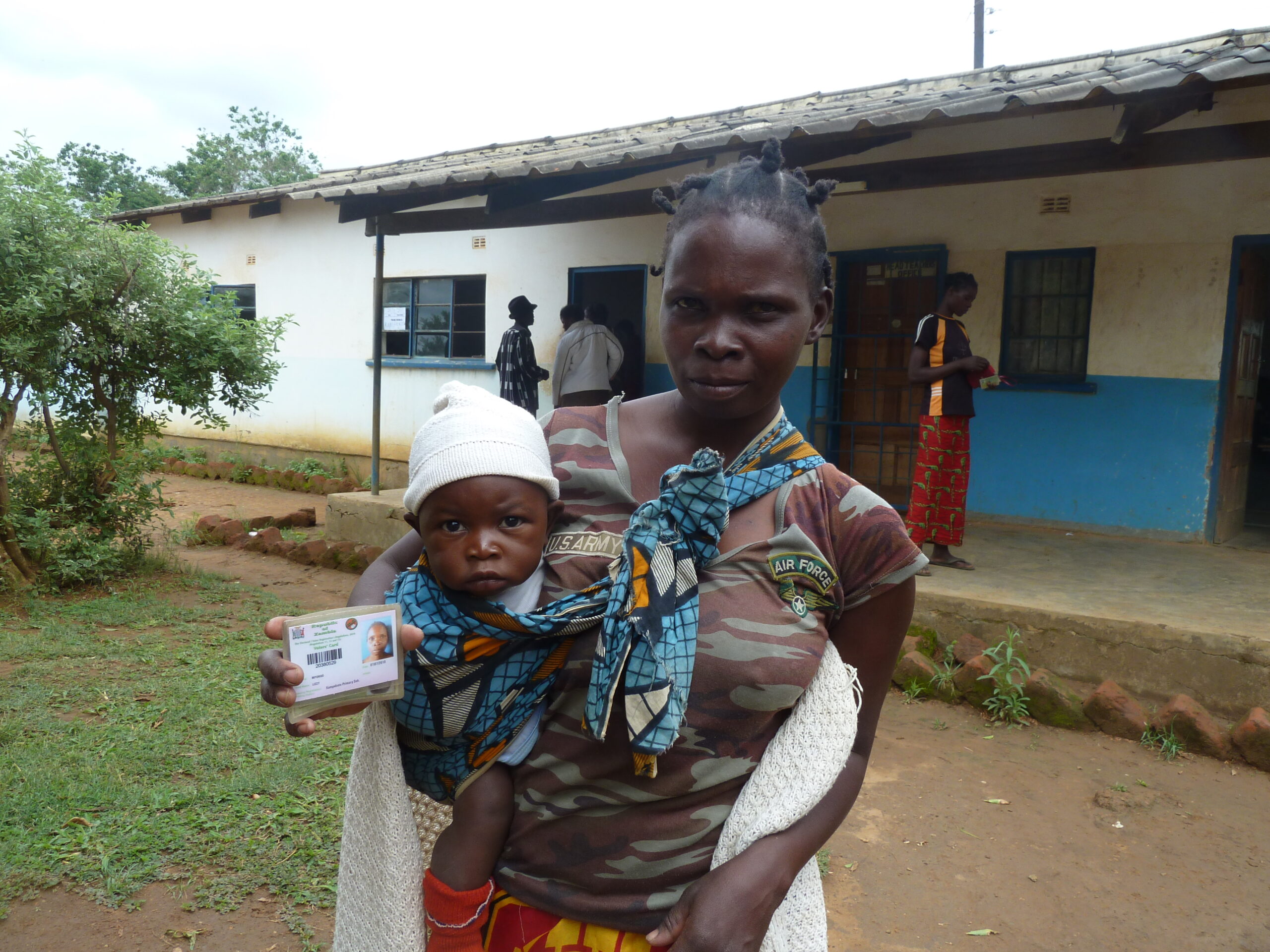
Resilient or Risk: Zambia’s election in 2026?
Democratic Governance Check: 2026 General Elections Following a decade marked by the authoritarian tendencies of Edgar Lungu’s government, Hakainde Hichilema’s victory in August 2021 was hailed as a democratic revival and an affirmation of Zambia’s ability to correct its course through peaceful means. Unfortunately, despite the current government coming to power promising a break with…
-

The Canadian Medical Assistance in Dying program shouldn’t spread to other countries
Through structural causes and common political interests, political changes and reforms that take root in one often spread to all Western countries in one way or another in the end. Therefore, taking a longer look at Canada’s assisted suicide program (MAID, or Medical Assistance in Dying), the most developed in the Western world, isn’t only…
-

Allies or Adversaries? The Greenland Crisis and NATO’s Future
At the Munich Security Conference earlier this month, US Secretary of State Marco Rubio delivered an address that emphasised the shared democratic and civilisational bonds that unite America with its European allies. Sighs of relief were in order for many in attendance, with Conference Chair Wolfgang Ischinger describing the speech as “reassuring”. It is abundantly…
-
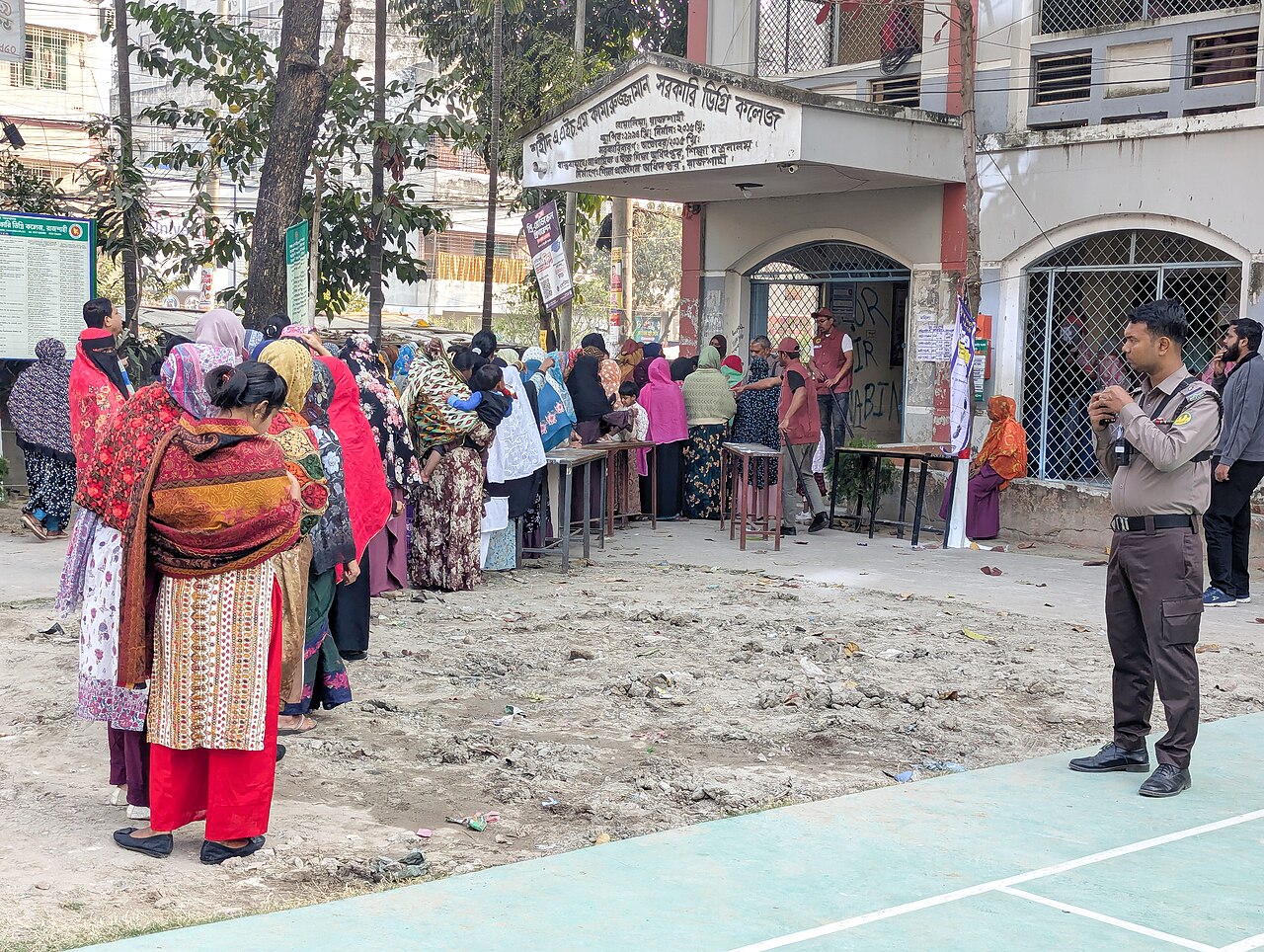
Elections in Bangladesh 2026
Ever since the ouster of former Bangladeshi prime minister Sheikh Hasina, Bangladesh has struggled to regain its democratic roots. With bans on the Awami League, Hasinas old party, Bangladesh goes to the polls to vote for a new government. The current frontrunners are Bangladesh Nationalist Party (BNP) and the Islamist party Jamaat-e-Islami, which has joined…
-
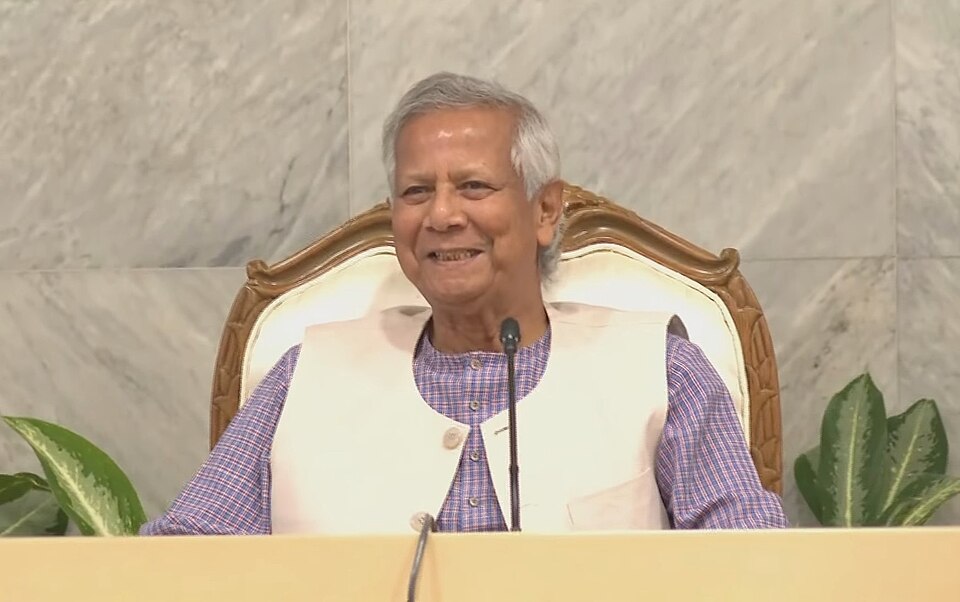
Bangladesh’s interim government must be held accountable for delivering free, fair and participatory elections
https://creativecommons.org/licenses/by-sa/4.0/
-
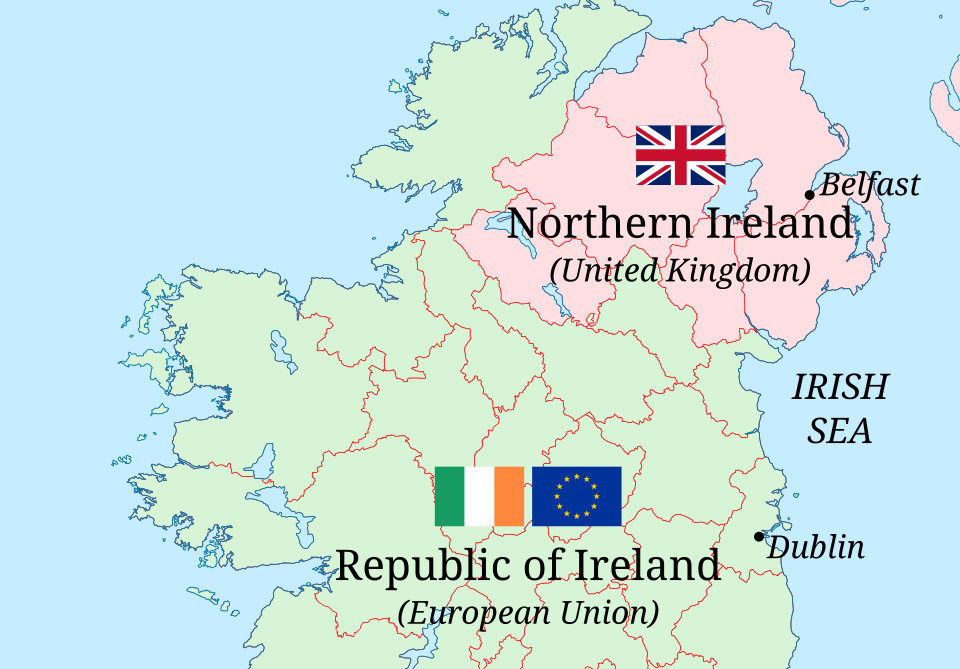
Has Northern Ireland cracked the code for Democracy in a Deeply Divided Society?
Northern Ireland has developed a model that is hugely underestimated by its citizens. It has managed to bring together two sides that lived in such a state of division, both politically and physically, that they found themselves mired in a 30 year conflict which cost 3,720 people their lives. Although this number is a fraction…
-
Turkey’s continued authoritarian drift
Lack of institutional and international support for Turkey’s protestors condemns the country to continue its authoritarian drift After jailing his main political rival in future elections, opposition candidate Ekrem İmamoğlu, critics fear that Turkish President Tayyip Erdoğan “seems to have crossed the Rubicon“. However, it is becoming increasingly clear that Erdogan will be able to…
-

The US Government explained
US Government explained The United States Constitution, written in 1787, outlines the core principles and powers of the US government. Power is divided among three branches of government that check and balance each other to prevent any branch from becoming too powerful. One, The legislative branch. This branch includes Congress, which has two houses. The…
-
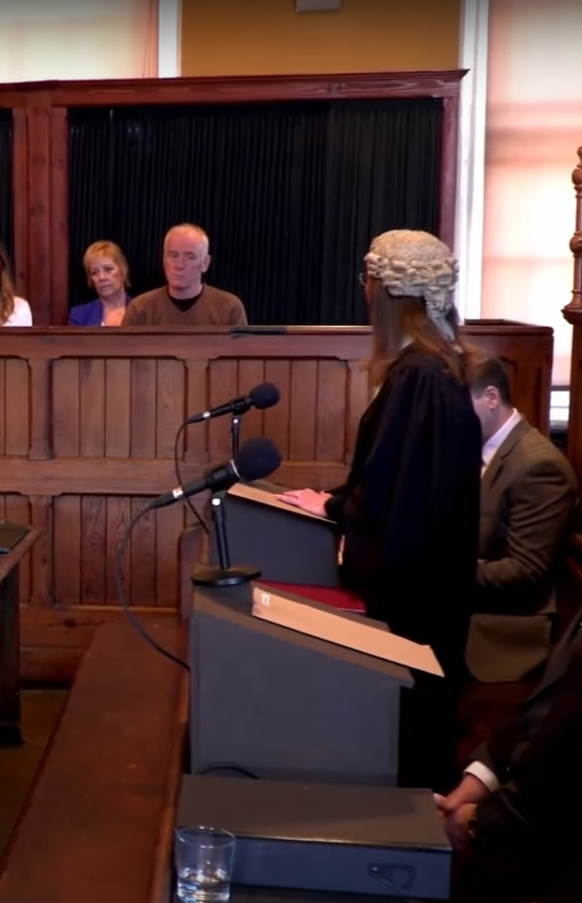
What is the rule of law
What is the rule of law, and why is it so important to democracy? The rule of law is a value and political ideal that underpins modern liberal democracies. The rule of law asserts that everyone is subject to fair and consistent laws, including leaders, lawmakers, and enforcers. Everyone, regardless of status, is subject to…
-

The New Hour of Europe. And maybe the last.
The recent shifts and statements from newly reelected president Donald Trump have provoked a shockwave within Europe. Despite the recent announcements of the resumption of military support to Ukraine, European countries are now assuming that US allyship and military support are not to be taken for granted, spurring the political will to reinforce European defense,…