
Democratic Governance Check: 2026 General Elections
As Zambia approaches its 13 August 2026 General Election, concerns are growing about whether the country can sustain the democratic progress celebrated after the peaceful transfer of power in 2021. While President Hakainde Hichilema’s government introduced important reforms, including the repeal of criminal defamation laws and the passage of an Access to Information Act, critics argue that democratic space has narrowed in the run-up to the next election.
The report identifies four key areas of concern:
- Electoral integrity: Constitutional amendments expanding the National Assembly have been implemented without public disclosure of the electoral boundary delimitation report, raising concerns about transparency and fairness.
- Political opposition: Zambia’s main opposition party, the Patriotic Front, faces leadership challenges, legal pressures, and restrictions on political activities, leading to fears of an uneven electoral playing field.
- Media freedom and civil liberties: Continued use of the Public Order Act, concerns about state media bias, arrests of critics, and newly enacted cyber security laws have prompted warnings from international human rights organisations and the United Nations.
- Economic and social pressures: Ongoing economic hardship, youth unemployment, environmental controversies, and increasing ethnic and regional political polarisation risk heightening tensions during the election period.
Despite these challenges, Zambia retains several democratic strengths, including a generally respected Electoral Commission, a history of peaceful transfers of power, active civil society organisations, and acceptance of international election observation missions.
The report concludes that the 2026 election will be a critical test of Zambia’s democratic resilience. It calls for greater transparency, protection of political freedoms, reforms to restrictive legislation, stronger media independence, and robust international election monitoring to help ensure a credible and inclusive electoral process.
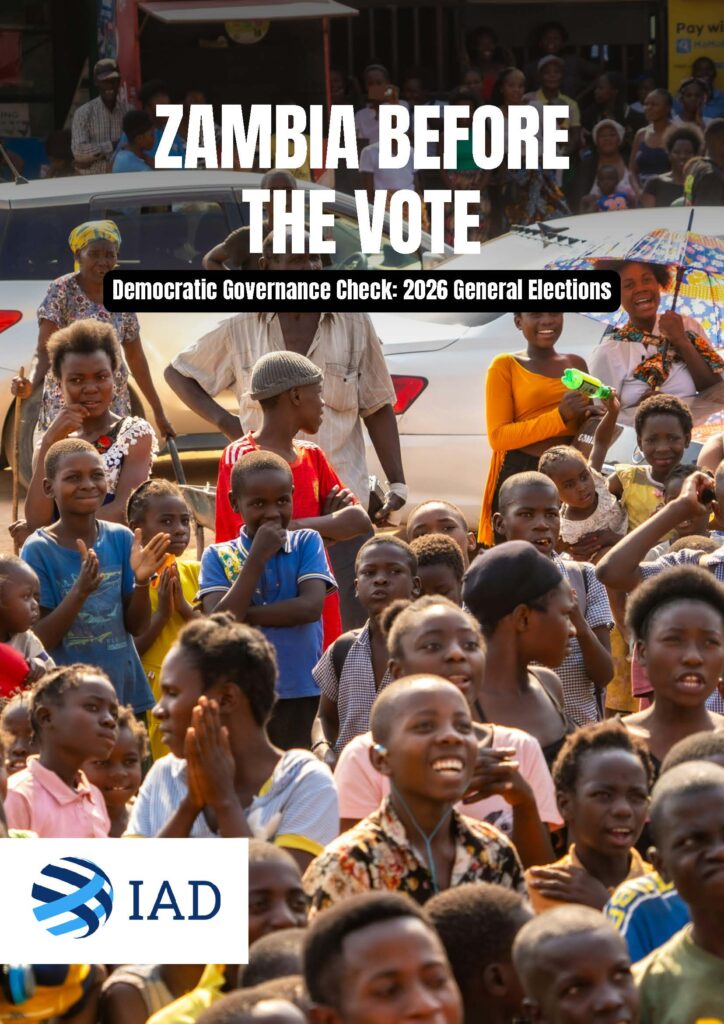
Zambia’s 2026 General Election faces growing scrutiny over electoral reforms, opposition restrictions, media freedom, cyber security laws, and democratic governance. This report analyses the risks, challenges, and recommendations shaping Zambia’s democratic future.